


Onychomycosis is a disease that is quick to catch but much more difficult to cure.It is not only a cosmetic problem, but also causes unpleasant, painful sensations in a person.According to statistics, every 10th inhabitant of the planet suffers from it, and you may also be at risk.What are the causes of the disease, factors for the development of onychomycosis and how to defeat fungus on the toenails?
How does toenail fungus appear and why does it occur?
The disease is caused by dermatophytes, yeasts and molds.According to statistics, every 10th person on the planet is affected by this disease.
Where can you get toenail fungus?The main risk zone is swimming pools, baths, saunas.You can become infected by using someone else's shoes, socks, or during a pedicure procedure.Onychomycosis more often affects individuals suffering from chronic diseases such as obesity, diabetes, anemia, gastrointestinal, hormonal, immune and cardiovascular disorders, as well as long-term steroid, antibacterial and chemotherapy.
Warmth and humidity promote spore development.The main routes of infection are wounds, microcracks and other skin lesions in the area of the fingers.Mycosis develops when the nail plate is damaged - if we cut it short or break it off, fungi easily penetrate inside.Wearing tight shoes also weakens the fabric, as do nail acrylics, gels and polishes.
Making a diagnosis
Visual manifestations of the disease are already the second stage of the disease.The first evidence of infection - itching, burning - is most often attributed to excessive drying of the skin, bad soap, or a side effect from taking medications.Timely diagnosis and initiation of treatment allows you to quickly and effectively get rid of the problem.
How to diagnose the disease yourself
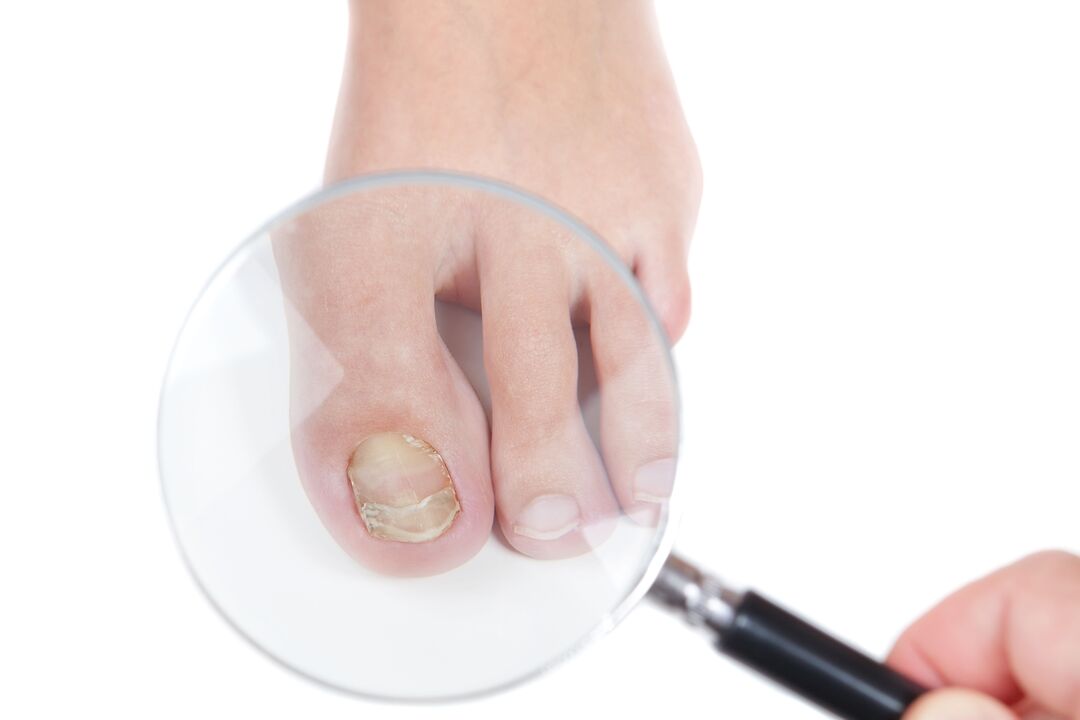
The main symptom is external changes, especially in the early stages of the disease.The first signs usually appear on the free edge (front) of the nail plate or on the sides.At the onset of onychomycosis, it may be an unpleasant sensation during physical activity.Patients describe paresthesia (numbness), pain, discomfort, and loss of physical fitness.Characteristic external changes include the following symptoms:
- discoloration - spots of white, yellow, brown, greenish, gray appear on the ends of the nails;
- peeling and delamination of the fabric, its fragility clearly increases;
- thickening of the stratum corneum, symptoms characteristic of excessive keratosis;
- unpleasant foot odor.
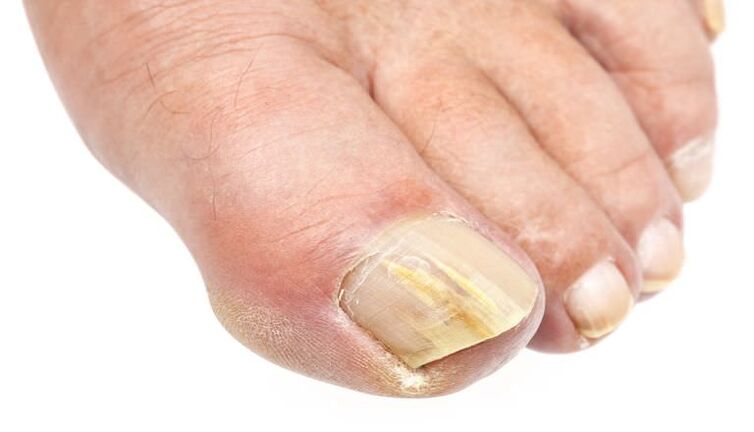
Fungal infections are more often seen on the feet than on the hands.They can be limited to one finger or cover everything.However, the disease usually affects the first and fifth toes, due to the closest proximity to shoes.
How is fungus diagnosed in a medical clinic?
The self-diagnosis method is not always effective, becauseThere are a number of diseases that, in their anamnesis, are similar to a fungal infection.These include:
- Psoriasis may look similar, but the characteristic of this disease is that it affects symmetrically.Characteristic signs are the appearance of white spots due to air accumulations, redness of the socket, thimble (dent) syndrome, loss of its shine, roughness.In addition, the patient has typical skin lesions.
- Candidiasis.It is characterized by the appearance of purulent discharge, as well as painful sensations when pressing on the affected area.The disease is more common in women, especially in people who often have to wear closed, airtight shoes in hot, humid areas.To develop this type, it is necessary to receive an injury to the finger in the nail area.Leakage: The plate follicles swell, becoming very red and painful.
- Trophic changes caused by mechanical damage.The problem is usually concentrated in the proximal part of the plate (that is, at its base).
- Lichen.Characterized by typical lesions on the skin and mucous membranes.The plate affected by lichen is usually covered with yellow-white stripes.
In addition, there are different types and forms of nail fungus, depending on the pathogen that caused the problem and the duration of infection.The clinic determines the type of disease and prescribes a treatment regimen based on the tests performed.
Treatment methods
Treatment for onychomycosis must begin immediately after the problem is detected.If you delay treatment, a complication may occur: infection of neighboring fingers, transition to a chronic form and progressive course of the disease.Therefore, always make an appointment with your doctor if you notice any suspicious changes or use time-tested traditional methods.
Folk remedies for fungus
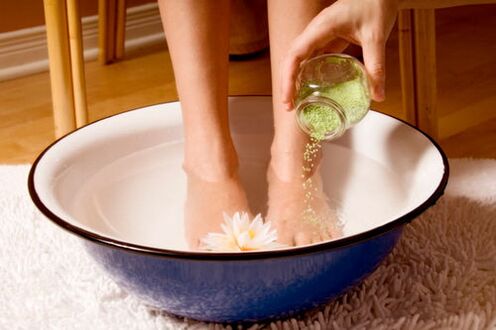
In the initial stages of the disease, home remedies to combat fungal infection are helpful.To get rid of fungus, you can try the following recipes:
- Tea tree oil.The mixture is a powerful natural antiseptic and fungicide.It is applied drop by drop to the affected area 2 times a day.The duration of the course is 21 days.
- Apple cider vinegar.Foot baths are prepared from it, mixed in equal parts with water.
- Iodine for fungus.An old proven way to get rid of fungal nail infections.Directions for use: Apply 1-2 drops of the composition to the affected area once a day.In order to prevent infection of neighboring fingers, it is recommended to lubricate them with iodine, but less often - once every 2-3 days.
- Listerine mouthwash.It contains an antiseptic and a small amount of alcohol, which have a detrimental effect on the treatment process.
- Lemon juice.It is applied as a compress for 30 minutes.to the affected areas.
Food restrictions during treatment have a positive effect.You should exclude sweets and starchy foods from your daily diet, increase the amount of protein (beef, fish, poultry) and fermented milk products (yogurt, kefir, cottage cheese).Fruits should also be unsweetened (lemon, grapefruit, sour apples, raspberries, cherries).The diet is necessary to strengthen human immunity and reduce the concentration of the nutrient medium for the fungus - simple sugars that are formed in the body when consuming easily digestible carbohydrates.
Modern medicines and procedures
Unfortunately, treating fungal infections at home is often ineffective.This is due to the fact that the disease has already entered a progressive form. To get rid of it, you need to consult a doctor.The effectiveness of medical therapy depends on the duration of the course, which takes several months even after the elimination of visual symptoms.But patients forget that they need to continue the course after the cosmetic effect occurs.This leads to relapse and the need for treatment from the very beginning.
In the early stages, when the tissue changes are minor, a fungicidal ointment will help.For advanced cases, oral medications are usually prescribed.Foot fungus is prone to recurrence, so after recovery, follow your doctor's recommendations.In general, the duration and order depend on the species that infected the nails, the clinical course, the number of infected nails and the degree of damage to the plate.In some cases, a systematic approach combining several methods is required.The combination of systemic and local effects improves the effectiveness of therapy.
Topical antifungal ointments
Topical medications should be used only in cases where the lesion occupies less than half of the distal part of the plate and when the patient does not tolerate systemic treatment.Ointments and suspensions include amorolfine, ciclopirox and bifonazole, urea.They are used daily for 5-12 months.The last option for topical treatment of onchomycosis is bifonazole in combination with a 40% urea solution.
But external remedies cannot help to heal completely because they do not penetrate the tissues enough.It was found that although the latest generation of ointments cover all layers, they still have low effectiveness when used as a single preparation.However, these agents may be useful as adjuvant therapy, complementing oral medications, or to prevent relapse in patients who have previously taken oral medications.
Antifungal tablets
Oral treatment in case of ringworm is almost always necessary.New generations of antifungal drugs, such as itraconazole or terbinafine, have recently replaced older generic drugs in the treatment of nails.The effectiveness of these products is explained by their ability to penetrate the nail plate in just a few days after the start of the course.By using them, you can afford a shorter duration of therapy with a high recovery rate and fewer side effects.Terbinafine (international name, you should look for commercial analogues in the pharmacy), fungicides (kill the pathogen) cure the disease and prevent the subsequent spread of spores.These medications work against both yeast viruses and dermatophytes, the most common causes of nail fungus.
Surgical treatment of onychomycosis
This method can also be used to treat fungal nail infections.It involves mechanical and chemical removal of the infected nail plate (using 40-50% urea).This is a painless and useful method when the growth is very thick and interferes with the patient's comfort.
Nail plate removal for onychomycosis should be considered as adjuvant therapy in patients treated with oral agents.A combination of oral, topical (lubricant) and surgical treatment of fungus leads to the highest cure rate and is at the same time the cheapest option (lowest number of relapses, short course).
Laser therapy
A new method showing the greatest efficiency.In just 4 sessions of irradiation with a “cold” laser, you can completely get rid of the problem.The only drawback of this type of influence is the relatively high cost of the procedures.
Principles of prevention
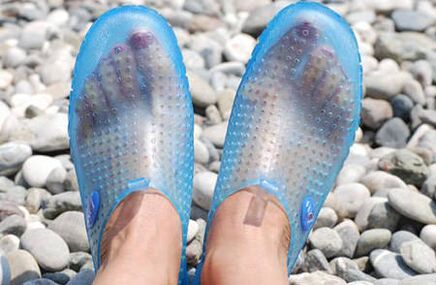
Having learned what causes foot fungus, it is easier to avoid the disease.By following simple recommendations, you can prevent the problem.Basic rules on how to avoid fungus:
- Avoid injury to the skin in the toe area.
- Do not break off the edges, but only cut them with well-sharpened scissors.
- Use only your own towels and personal hygiene products (scissors, sanding files and whetstones).
- After washing your feet, dry the skin between your toes thoroughly.
- Do not walk barefoot in public places.
- Wear cotton socks and shoes made of breathable materials.
- If your feet sweat excessively, change your socks and shoes frequently.
- Use pedicure services at approved locations where instruments are disinfected and sterilized according to established protocol.
- Do not use shoes or slippers that have been previously worn by others.
You must take care of your feet and keep them clean.After taking bath procedures, it is advisable to treat the skin with cosmetics with an antiseptic effect.Wet shoes must be dried to a completely dry state after a day of wear - you should not wear even slightly damp shoes.If, despite the precautions taken, any changes characteristic of the disease appear, you should immediately consult a doctor.